
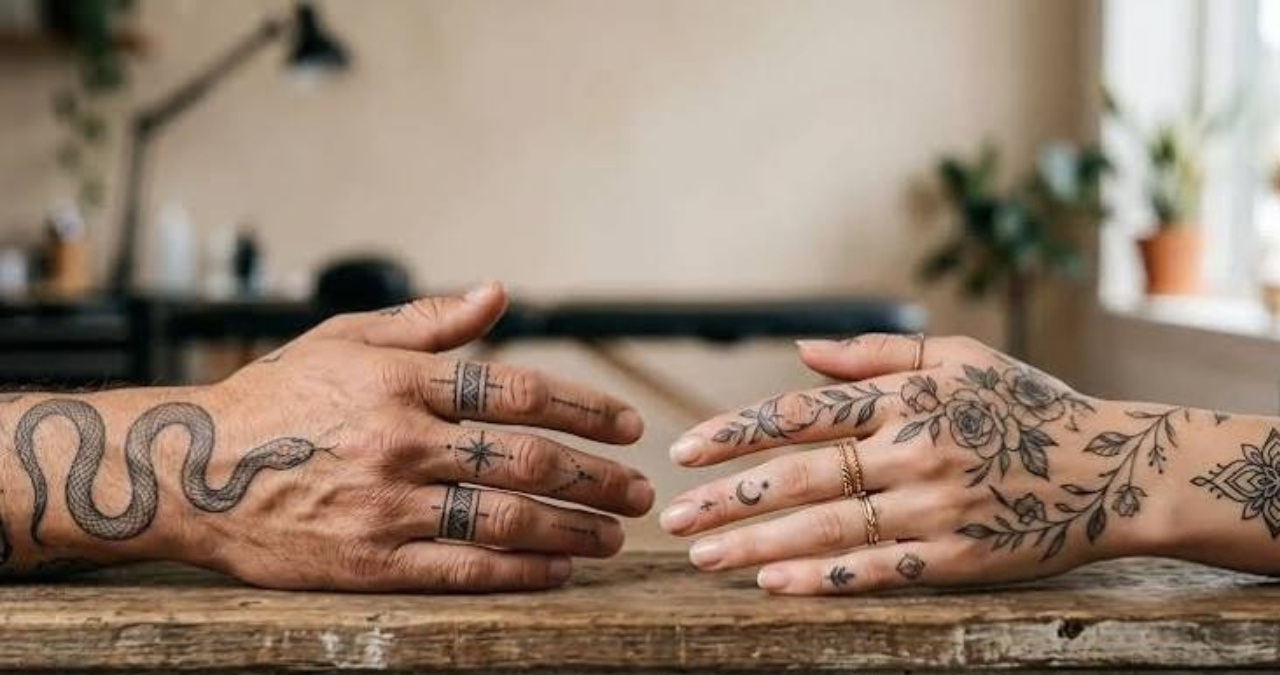
Tattoos have been part of human culture for thousands of years. Today, they can represent personal memories, family connections, cultural traditions, artistic expression, beliefs, or simply a love of beautiful body art. From small and simple designs to large, detailed sleeves, tattoos come in countless forms and styles.
Choosing a tattoo is exciting, but it’s also a decision that deserves careful thought. A tattoo changes the appearance of your skin permanently, so understanding the process, safety concerns, design choices, and aftercare can help you make a smart and confident decision.
This guide explores tattoos in simple and practical language. Whether you’re considering your first tattoo, looking for design inspiration, or simply curious about tattoo culture, you’ll find useful information here.
What Are Tattoos?
A tattoo is a permanent design made by placing ink or pigment into the skin. Professional tattoo artists normally use specialized machines with very fine needles to deposit pigment into the deeper layer of the skin.
Unlike paint placed on the surface, tattoo pigment is inserted beneath the outer skin layer. That’s why tattoos generally remain visible for many years.
Modern tattoos can include:
- Words and names
- Symbols
- Flowers and plants
- Animals
- Portraits
- Geometric patterns
- Religious or spiritual designs
- Cultural artwork
- Abstract art
- Minimalist symbols
- Dates and numbers
- Nature scenes
- Memorial designs
The meaning behind a tattoo can be deeply personal. For one person, a particular image may represent love or family. For another, it may simply be an attractive piece of art.
The Long History of Tattoos
Although modern tattoo studios may look very different from ancient practices, body marking has a remarkably long history.
Archaeological discoveries have shown evidence of tattooing among ancient peoples in different parts of the world. One of the most famous examples is Ötzi, a naturally preserved human mummy discovered in the Alps. Researchers found numerous markings on his body.
Tattoo traditions also developed independently in many regions, including parts of Asia, Africa, Europe, the Pacific Islands, and the Americas.
Historically, tattoos could communicate:
- Social identity
- Family or community membership
- Spiritual beliefs
- Status
- Protection
- Life experiences
- Cultural heritage
- Personal achievements
In some societies, tattooing was connected closely with ceremonies and traditions. In others, it could have different social meanings.
Today, tattoos are widely used as a form of personal expression, but their cultural history remains important.
Why Do People Get Tattoos?
People choose tattoos for many different reasons. There isn’t one universal explanation.
Some people get tattoos to remember someone they love. Others mark an important period in their lives or celebrate a personal achievement.
Common reasons include:
Personal Memories
A tattoo can serve as a permanent reminder of a meaningful person, place, date, or experience.
Self-Expression
Some people see their bodies as a canvas. Tattoos allow them to display artistic interests, personality, or creativity.
Cultural Identity
For some communities, tattooing has deep cultural significance. Traditional designs may connect people with their ancestors and heritage.
Beauty and Fashion
Sometimes the reason is straightforward: the person likes the design. Tattoos can be considered wearable art.
Milestones
Graduation, travel, recovery from a difficult period, marriage, or another major life event can inspire a tattoo.
Whatever the reason, it’s worth remembering that a tattoo doesn’t need to have a dramatic story behind it. Sometimes, people simply love the artwork.
Popular Tattoo Styles
One of the most exciting parts of getting a tattoo is choosing an artistic style. Different styles create very different visual effects.
Traditional Tattoos
Traditional tattooing often uses strong outlines, solid colors, and recognizable images such as roses, anchors, birds, hearts, and other classic symbols.
This style has remained popular because of its bold appearance and strong visual identity.
Realism
Realistic tattoos attempt to make images look similar to photographs or real-life subjects.
Common examples include:
- Portraits
- Animals
- Flowers
- Landscapes
- Objects
Realism requires a highly skilled artist because small mistakes can significantly affect the final result.
Minimalist Tattoos
Minimalist tattoos are usually small and simple. They may use thin lines and limited detail.
Examples include:
- Small stars
- Simple hearts
- Tiny animals
- Initials
- Short words
- Small geometric shapes
They’re particularly popular with people who want something subtle.
Blackwork
Blackwork focuses heavily on black ink. Designs can range from simple symbols to large areas of intricate patterns.
The contrast can create a striking appearance.
Watercolor Tattoos
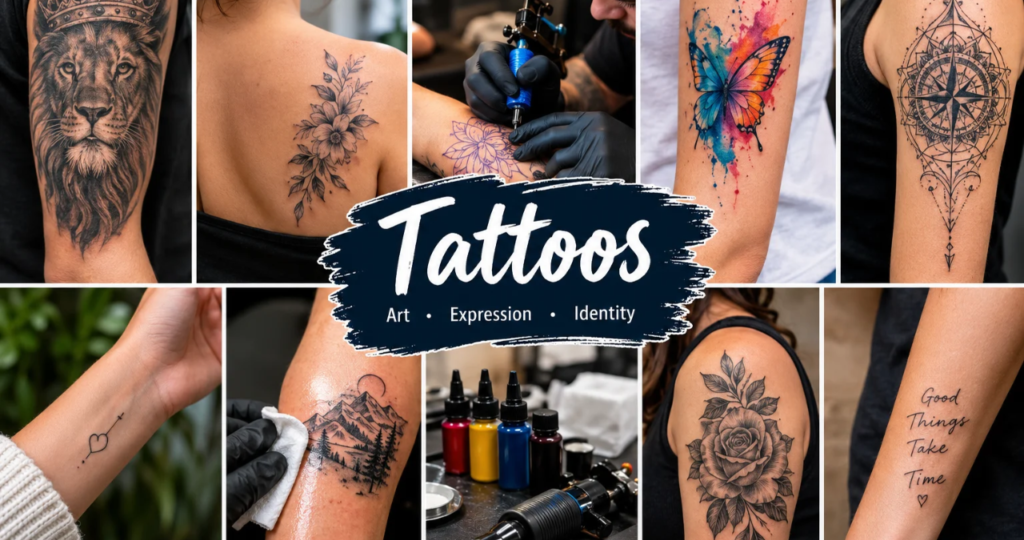
Tattoos Watercolor-inspired tattoos imitate the appearance of painted artwork. They may feature soft transitions and colorful effects.
Because tattoo ink behaves differently from paint on paper, experienced artists need to plan these designs carefully.
Geometric Tattoos
Geometric tattoos use shapes, lines, symmetry, and mathematical patterns.
Some designs are simple, while others combine multiple shapes into highly detailed compositions.
Japanese-Inspired Tattoos
Japanese tattoo traditions have a long and complex history. Common imagery can include dragons, koi fish, flowers, waves, and other traditional motifs.
Because these designs can carry cultural meaning, people should approach them respectfully and learn about their origins before choosing one.
How to Choose the Right Tattoo Design
Choosing a design is often harder than people expect. After all, the possibilities are almost endless.
Before booking an appointment, consider these questions:
- Do I still like this design after several weeks?
- Does it have personal meaning?
- Do I understand the cultural meaning behind it?
- Will I be comfortable seeing it years from now?
- Does the size suit the location?
- Will the design work with my skin and body shape?
- Is the artist experienced with this particular style?
Don’t rush simply because you’re excited. A cool design today should ideally still feel right years from now.
Creating a small collection of reference images can help you explain your preferences to your tattoo artist.
Choosing the Right Tattoo Placement
Where you place a tattoo can be just as important as the design itself.
Popular areas include:
| Body Area | Common Characteristics |
|---|---|
| Forearm | Easy to see and often suitable for many designs |
| Upper arm | Versatile area with plenty of space |
| Shoulder | Works well for rounded designs |
| Back | Large surface for detailed artwork |
| Chest | Suitable for personal or larger designs |
| Calf | Good space for vertical artwork |
| Wrist | Often used for small designs |
| Ankle | Popular for small and subtle tattoos |
| Thigh | Provides a large area for detailed artwork |
| Ribs | Can accommodate longer designs |
Pain levels can vary depending on the body area, individual sensitivity, and other factors. Areas with thinner skin or less cushioning may feel more uncomfortable for some people.
It’s also wise to think about your work environment. Some workplaces may have rules about visible tattoos.
Understanding the Tattooing Process
Knowing what happens during a tattoo appointment can make the experience less stressful.
A typical professional appointment may involve several stages.
Consultation
The artist discusses your idea, preferred size, placement, style, and expectations.
Design Preparation
The artist may create or adapt artwork based on your concept.
Skin Preparation
The skin is cleaned and prepared before the tattoo begins.
Stencil Placement
For many designs, a stencil helps the artist position the artwork correctly.
Tattooing
The artist uses a tattoo machine to place pigment into the skin. Depending on the size and complexity of the design, the session may take from a short period to several hours or more.
Final Cleaning
After completing the tattoo, the artist cleans the area and provides aftercare instructions.
A good artist should explain the process and give you an opportunity to ask questions.
How to Choose a Professional Tattoo Artist
Finding the right artist is one of the most important decisions you’ll make.
Don’t choose someone solely because they offer the cheapest price. Quality, hygiene, experience, and communication matter.
Look for an artist who:
- Has a strong portfolio
- Specializes in the style you want
- Works in a clean professional environment
- Uses appropriate hygiene practices
- Clearly explains aftercare
- Answers questions without making you feel uncomfortable
- Has examples of healed work when available
- Maintains professional boundaries
A portfolio is especially useful. An artist who does excellent watercolor work, for example, may not be the best choice for a highly realistic portrait.
In other words, match the artist to the artwork.
Tattoo Safety and Hygiene
Safety should never be an afterthought.
Because tattooing involves breaking the skin, poor hygiene practices can increase the risk of infections and other complications.
A professional studio should follow appropriate hygiene procedures. Depending on local rules and regulations, this may include using sterile or properly sterilized equipment, disposable needles or cartridges, fresh gloves, clean surfaces, and appropriate handling of tattoo supplies.
Before getting tattooed, don’t be afraid to ask about hygiene.
Important questions can include:
- Are new needles used for each client?
- How are reusable instruments sterilized?
- How are work surfaces cleaned?
- What aftercare instructions are provided?
- What should I do if I notice signs of infection?
If a studio seems dirty or the artist avoids basic safety questions, that’s a major warning sign.
Possible Risks and Side Effects
Most professional tattoo procedures heal without serious problems, but tattoos aren’t completely risk-free.
Possible issues can include:
- Temporary redness
- Swelling
- Tenderness
- Itching during healing
- Skin irritation
- Allergic reactions to tattoo pigments
- Infection
- Scarring
- Changes in the appearance of the tattoo as the skin heals
Some people may experience reactions to particular pigments. In rare cases, skin problems can occur around tattooed areas even long after the tattoo was made.
Seek appropriate medical advice if a tattoo becomes increasingly painful, severely swollen, unusually warm, produces pus, or develops other concerning symptoms.
It’s better to ask a healthcare professional than to ignore a problem and hope it disappears.
Tattoo Aftercare
Aftercare plays a major role in how a tattoo heals.
Your tattoo artist should provide instructions specific to your procedure and the covering used.
General aftercare principles often include:
- Keep the tattoo clean.
- Follow the artist’s instructions about washing.
- Avoid unnecessary rubbing or scratching.
- Don’t pick at peeling skin or scabs.
- Wear clean clothing that won’t constantly irritate the area.
- Avoid soaking the healing tattoo in pools, hot tubs, or similar water environments until appropriately healed.
- Protect healed tattooed skin from excessive sun exposure.
- Use only recommended products during healing.
Different artists may recommend different aftercare approaches, so follow the instructions provided by your professional artist unless a healthcare professional tells you otherwise.
How Long Does a Tattoo Take to Heal?
Healing isn’t identical for everyone.
The outer layer of skin may appear much better after a couple of weeks, but deeper healing can take longer. During the healing process, some tattoos may peel, itch, appear dull, or look slightly different from their initial appearance.
This doesn’t necessarily mean something has gone wrong.
The important thing is to avoid picking or scratching the tattoo while it heals.
If the tattoo shows unusual or worsening symptoms, professional medical advice is appropriate.
Do Tattoos Fade Over Time?
Yes, tattoos can fade or change over time.
Several factors can influence how a tattoo ages:
- Sun exposure
- Tattoo placement
- Ink color
- Skin characteristics
- Lifestyle
- Quality of the original tattoo
- Aftercare
- Natural aging
Dark and bold designs may remain visually strong for many years, while some lighter colors can appear less intense as time passes.
Sun protection can help reduce unnecessary fading. Once a tattoo has fully healed, protecting the area from excessive ultraviolet exposure is an important part of maintaining its appearance.
Tattoos and Skin Tone
Tattoo designs can look different across different skin tones.
An experienced artist should understand how tattoo pigments interact visually with the client’s natural skin tone. Some colors may appear more subtle, while strong contrast can make certain designs stand out more clearly.
Rather than copying a design exactly from someone else’s skin, ask the artist how the artwork can be adapted to you.
A skilled tattoo artist should be able to explain:
- Which colors are likely to provide good contrast
- How line weight may affect visibility
- How the design can be adjusted
- How the tattoo may age
- What realistic results to expect
Good communication is half the battle.
Tattoos and Personal Meaning
For many people, tattoos are much more than decoration.
A tattoo can represent a chapter of life that someone doesn’t want to forget. A simple flower may symbolize a loved one. A date may represent a turning point. A landscape may remind someone of home.
However, meaning can also change.
A design that feels deeply important at one age may feel different years later. That’s why thoughtful consideration is valuable before making a permanent choice.
You don’t need to predict your entire future, but giving yourself enough time to think can reduce regret.
Tattoos and Cultural Respect
Tattoo imagery can sometimes come from religious, cultural, or Indigenous traditions.
Before using a culturally significant symbol, learn what it means and where it comes from.
Ask yourself:
- Is this symbol appropriate for me to use?
- Do I understand its historical meaning?
- Could using it be disrespectful?
- Am I copying something without understanding its significance?
Appreciating another culture and borrowing a sacred symbol without understanding it aren’t necessarily the same thing.
Research and respect go a long way.
Tattoo Removal and Cover-Ups
Sometimes people change their minds. That’s normal.
Laser tattoo removal is one common method used to reduce or remove tattoo pigment. However, removal can require multiple sessions, may be uncomfortable, and doesn’t always restore the skin completely to its original appearance.
Results can depend on factors such as:
- Tattoo size
- Ink colors
- Pigment depth
- Tattoo age
- Skin characteristics
- Type of laser treatment
Another option may be a cover-up tattoo, where a new design is created to incorporate or conceal an older tattoo.
Cover-ups require careful planning because the existing design affects what can realistically be placed over it.
Tattoos as a Form of Art
Tattooing has increasingly become recognized as an important form of contemporary art.
Professional tattoo artists develop skills in:
- Drawing
- Composition
- Shading
- Color theory
- Anatomy
- Design
- Technical application
- Visual storytelling
A great tattoo isn’t simply a picture transferred to skin. It needs to work with the body’s shape and movement.
For this reason, experienced artists often modify designs rather than copying an image exactly.
The body becomes part of the artwork.
Common Tattoo Mistakes to Avoid
Getting a tattoo can be a fantastic experience, but rushing the decision can create unnecessary problems.
Avoid:
- Choosing an artist without checking their work
- Selecting a design only because it’s trending
- Ignoring hygiene concerns
- Getting a tattoo while heavily intoxicated
- Failing to discuss placement
- Copying someone else’s tattoo without considering originality
- Ignoring aftercare instructions
- Picking or scratching healing skin
- Choosing extremely complicated artwork without enough space
- Assuming tattoo removal is easy
A little patience today can save a lot of trouble tomorrow.
How to Prepare for Your Tattoo Appointment
Preparation can make your appointment more comfortable.
Before your session:
- Get enough sleep.
- Eat a normal meal if appropriate for you.
- Drink enough water.
- Wear comfortable clothing that allows easy access to the tattoo area.
- Bring your identification if required by the studio.
- Discuss medications or relevant health concerns with an appropriate professional when necessary.
- Avoid arriving under the influence of alcohol or recreational drugs.
- Confirm the design and placement before the tattoo begins.
Most importantly, don’t be afraid to speak up.
If you’re uncomfortable with the placement or design during the consultation, say so before the needle starts.
Tattoos in Modern Culture
Tattoos have become increasingly visible in popular culture, sports, entertainment, fashion, and social media.
Celebrities and public figures have helped make tattoo styles more familiar to wider audiences. Social media has also made it easier for people to discover artists from around the world.
However, popularity doesn’t necessarily mean every trend will age well.
Trends come and go. Personal taste lasts much longer.
That’s why many people prefer designs that reflect their personality instead of simply following whatever is popular at the moment.
Tattoos: Making a Thoughtful Decision
A tattoo can be exciting, meaningful, and beautiful. At the same time, it’s a permanent alteration to your skin, so thoughtful planning is essential.
Before committing, consider:
| Question | Why It Matters |
|---|---|
| Do I love the design? | Helps reduce future regret |
| Do I trust the artist? | Quality and safety are important |
| Is the studio hygienic? | Reduces avoidable health risks |
| Is the placement suitable? | Affects appearance and lifestyle |
| Does the size fit the design? | Helps preserve detail |
| Have I researched the meaning? | Promotes cultural awareness |
| Do I understand aftercare? | Supports proper healing |
| Have I considered the future? | Tattoos can remain for decades |
There’s no prize for rushing. Take your time and make a decision you feel comfortable with.
Final Thoughts on Tattoos
Tattoos are a fascinating combination of art, history, culture, and personal expression. From ancient body markings to modern professional studios, tattooing has evolved while remaining a powerful way for people to express themselves.
The best experience starts with informed choices. Research the design, choose a qualified artist, pay attention to hygiene, understand the healing process, and take aftercare seriously. Most of all, choose artwork that feels right for you rather than making a decision simply because something is trendy.
With patience, preparation, and responsible care, tattoos can become meaningful pieces of personal art that tell a story for years to come.