
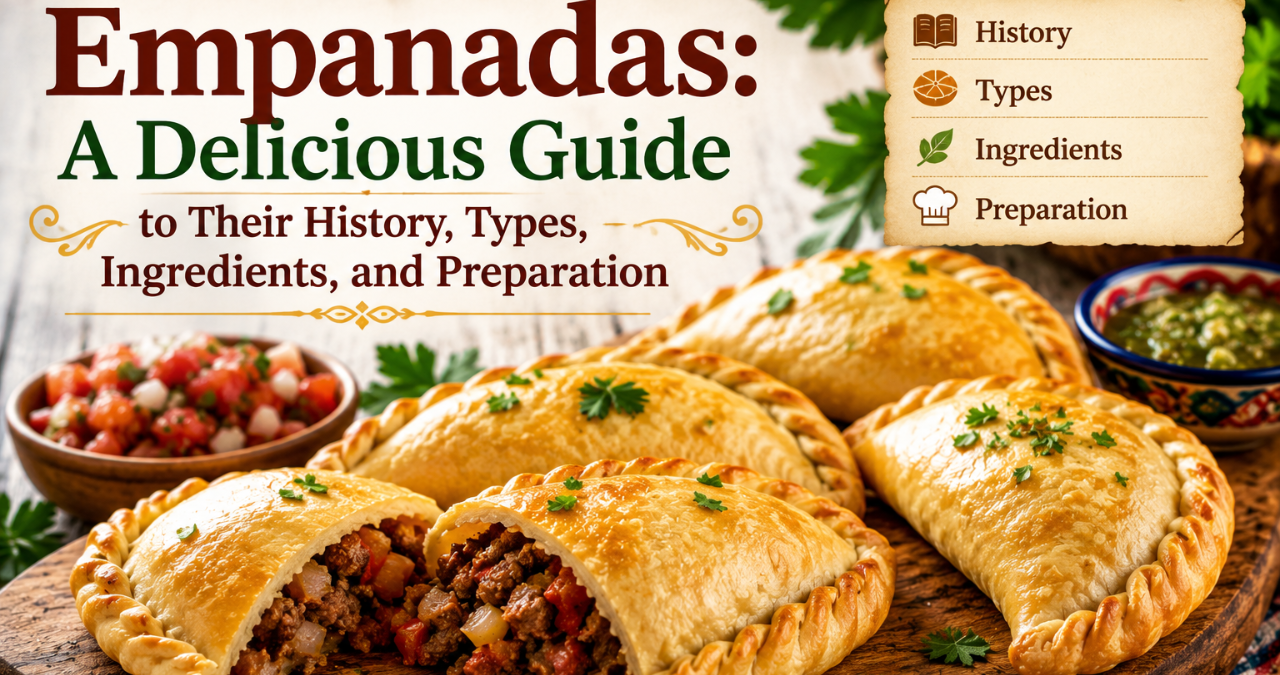
Empanadas are one of the world’s most loved stuffed pastries. They are simple, comforting, filling, and incredibly flexible. Made by wrapping a flavorful filling inside dough and then baking or frying it, empanadas can be enjoyed as a snack, breakfast, lunch, dinner, or party food. From small family kitchens to busy street markets and famous restaurants, these golden pastries have earned a special place in food culture.
What makes empanadas so interesting is their variety. Some are filled with seasoned beef, while others contain chicken, cheese, vegetables, seafood, or even sweet fillings. Their shapes, dough, cooking methods, and flavors can also change from one country or region to another. In other words, there isn’t just one way to make a great empanada.
This guide explores the history, ingredients, varieties, preparation methods, nutrition, serving ideas, and cultural importance of empanadas. Whether you’re a curious food lover or someone hoping to make them at home, there’s plenty to discover.
What Are Empanadas?
Empanadas are stuffed pastries made from dough that is folded around a filling. The edges are usually sealed by pressing or folding the dough, creating a pocket that keeps the filling inside during cooking.
The word is connected to the Spanish verb “empanar,” which refers to wrapping or coating food in bread or dough. Although the exact origins of the modern empanada are debated, the dish became strongly associated with Spanish and Portuguese food traditions before spreading throughout Latin America and other parts of the world.
At their heart, empanadas follow a wonderfully simple idea:
Dough + filling + seasoning + cooking = a delicious handheld meal.
Their practical design is one reason they became so popular. They’re easy to carry, easy to share, and can be prepared with ingredients that are already available.
Depending on the recipe, empanadas may be:
- Baked until golden brown
- Fried until crisp
- Small and snack-sized
- Large enough to serve as a meal
- Filled with meat, cheese, vegetables, seafood, or fruit
- Mild, spicy, savory, or sweet
That’s the beauty of them: you can make them your own.
The History and Origins of Empanadas
The history of empanadas is long and fascinating. Food historians generally connect their development with the Iberian Peninsula, especially Spain and Portugal. Similar stuffed pastries appeared in European cooking many centuries ago, and versions of these foods traveled across the Atlantic during the age of exploration and colonization.
As the dish reached different regions, local cooks adapted it to their own ingredients and traditions. Over time, empanadas became particularly important throughout Latin America.
In Argentina, they became a major part of traditional cuisine, with different provinces developing their own fillings and styles. Chile developed its famous baked empanada, often filled with beef, onions, egg, olives, and other ingredients. Colombia and Venezuela developed many varieties made with different types of corn-based dough. Other countries created their own unique interpretations.
This evolution shows an important truth about food: recipes travel, but they also change.
Local communities often adjust traditional dishes according to:
- Available ingredients
- Local farming practices
- Religious traditions
- Family customs
- Cooking equipment
- Regional tastes
- Cultural celebrations
As a result, today’s empanadas represent a mixture of history, migration, creativity, and local identity.
Why Empanadas Are So Popular
There’s no mystery about why empanadas have remained popular for generations. They’re practical, delicious, and versatile.
First, they are convenient. A properly sealed empanada can be eaten without a plate or complicated utensils. This makes it perfect for picnics, lunchboxes, festivals, markets, and family gatherings.
Second, they can feed people on different budgets. A basic filling made with potatoes, onions, beans, or vegetables can create a satisfying meal. Meat and seafood versions can be richer and more expensive.
Third, empanadas are highly customizable. If you don’t eat meat, you can choose vegetables or cheese. If you enjoy spicy food, peppers and chili can be added. If you have a sweet tooth, fruit fillings can turn an empanada into dessert.
In short, there’s an empanada for almost everyone.
Popular Types of Empanadas
One of the most exciting things about empanadas is the huge number of varieties found around the world. While recipes differ, several styles have become especially well known.
Argentine Empanadas
Argentine empanadas are famous for their regional differences. A typical savory version may contain ground or chopped beef, onions, peppers, spices, and hard-boiled egg.
Other fillings can include:
- Chicken
- Ham and cheese
- Spinach
- Corn
- Cheese and onions
- Beef and olives
They may be baked or fried, depending on the region and recipe.
Chilean Empanadas
Chilean empanadas are often larger and commonly baked. One of the most famous versions is the empanada de pino.
The filling, known as pino, traditionally combines ingredients such as:
- Beef
- Onions
- Hard-boiled egg
- Black olives
- Seasonings
The dough is folded into a distinctive shape and baked until golden.
Colombian Empanadas
Colombian empanadas are often made using corn-based dough rather than wheat flour. Their crispy exterior gives them a distinctive texture.
Common fillings include:
- Beef
- Chicken
- Potatoes
- Cheese
- Shredded meat
- Vegetables
They are often served with fresh sauces or spicy ají.
Venezuelan Empanadas
Venezuelan empanadas are also commonly made from corn dough. They are usually fried, creating a crisp outside and soft interior.
Fillings vary widely and may include:
- Shredded beef
- Chicken
- Cheese
- Ham and cheese
- Fish
- Black beans
Their corn flavor makes them different from many wheat-based empanadas.
Spanish Empanadas
Spanish empanadas can look quite different from the small handheld versions common in Latin America. Some are large, flat pastries that are sliced and shared.
Galician-style empanadas are particularly famous. Fillings may include seafood, fish, meat, peppers, tomatoes, and onions.
Sweet Empanadas
Not every empanada is savory. Sweet versions are popular in several places and can make a fantastic dessert.
Possible fillings include:
- Apples
- Guava
- Pumpkin
- Chocolate
- Dulce de leche
- Sweet cheese
- Berries
- Cinnamon-spiced fruit
They’re especially tasty when served warm.
A Helpful Empanadas Comparison Table
| Type | Common Dough | Popular Fillings | Cooking Method | Typical Flavor |
|---|---|---|---|---|
| Argentine | Wheat flour | Beef, chicken, cheese | Baked or fried | Savory and seasoned |
| Chilean | Wheat flour | Beef, onions, egg, olives | Usually baked | Rich and hearty |
| Colombian | Corn-based | Beef, potato, chicken | Usually fried | Crispy and savory |
| Venezuelan | Corn-based | Beef, cheese, chicken, fish | Usually fried | Crisp and flavorful |
| Spanish | Wheat-based | Seafood, meat, vegetables | Usually baked | Rich and aromatic |
| Sweet varieties | Wheat-based | Fruit, chocolate, dulce de leche | Baked or fried | Sweet and comforting |
Main Ingredients Used in Empanadas
The ingredients depend on the recipe, but most empanadas have two basic components: dough and filling.
Dough Ingredients
A simple wheat-flour dough may contain:
- All-purpose flour
- Salt
- Water
- Butter, lard, or another fat
- Sometimes an egg
Corn-based dough uses ground cornmeal or prepared corn flour, depending on the regional style.
The dough should be flexible enough to fold without cracking but strong enough to hold the filling.
Filling Ingredients
The filling is where cooks can really get creative.
Popular ingredients include:
- Ground beef
- Shredded chicken
- Pork
- Fish
- Shrimp
- Cheese
- Potatoes
- Corn
- Peppers
- Onions
- Spinach
- Mushrooms
- Beans
- Tomatoes
A good filling should be flavorful but not overly wet. Too much liquid can make the dough soggy or cause the empanada to split while cooking.
How to Make Empanadas at Home
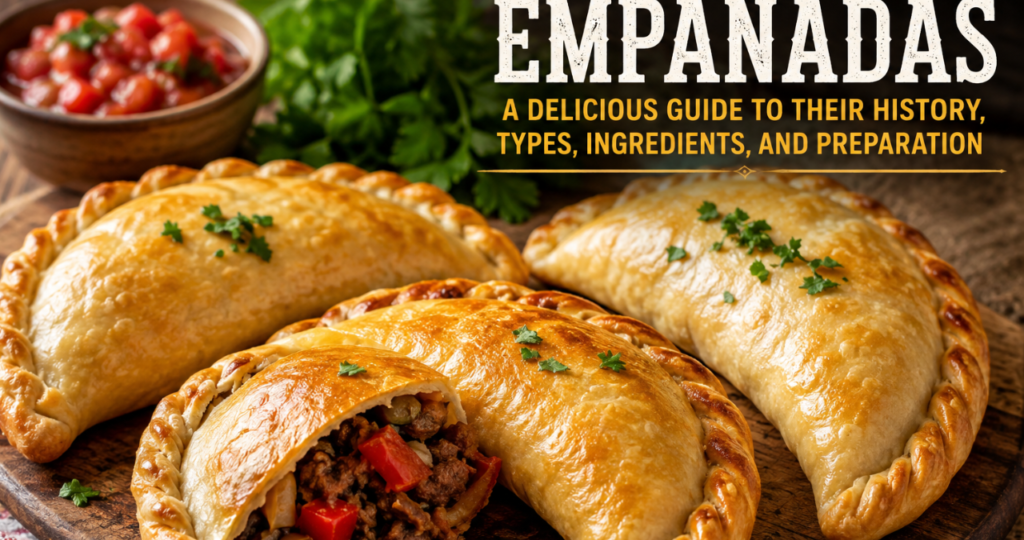
Empanadas Making empanadas may look complicated at first, but don’t let that put you off. Once you understand the basic process, it becomes much easier.
Prepare the Filling
Start by cooking the filling separately.
For a simple beef filling, sauté chopped onions in a little oil. Add ground beef and cook thoroughly. Then add seasonings such as salt, black pepper, paprika, cumin, or chili powder.
Allow the filling to cool before putting it inside the dough.
This step is important because hot filling can soften the dough and make it difficult to seal.
Prepare the Dough
Combine the flour and salt in a bowl. Add butter or another fat and mix until the texture resembles coarse crumbs.
Gradually add water while mixing until a soft dough forms.
Knead the dough gently until it becomes smooth. Avoid adding too much flour because a very dry dough can become difficult to fold.
Cover the dough and let it rest for a short time. Resting allows the dough to relax and become easier to roll.
Roll and Cut the Dough
Roll the dough into a thin, even layer.
Cut circular pieces using a round cutter or a small bowl. The size depends on whether you want appetizer-sized or meal-sized empanadas.
Try to keep the circles similar in thickness. Uneven dough can cook unevenly.
Add the Filling
Place a small amount of filling in the center of each dough circle.
Don’t overfill them. It may be tempting to add a big spoonful, but too much filling can make sealing difficult.
Leave enough space around the edge to close the pastry.
Seal the Edges
Fold the dough over the filling to create a half-moon shape.
Press the edges together firmly.
You can use a fork to create a simple pattern along the edge. Another traditional method involves folding and twisting the dough edge into a decorative border.
A good seal is essential. If the edge isn’t closed properly, the filling may escape during cooking.
Cook the Empanadas
The cooking method depends on the recipe.
For baking:
- Place the empanadas on a baking sheet.
- Brush them lightly with beaten egg if desired.
- Bake until golden brown.
For frying:
- Heat cooking oil carefully.
- Add the empanadas in small batches.
- Fry until crisp and golden.
- Drain on a suitable rack or paper towel.
Always make sure meat fillings are fully cooked and handled safely.
Tips for Making Better Empanadas
Even a simple recipe can become much better with a few practical techniques.
Don’t Overfill
More filling doesn’t always mean a better empanada. A modest amount is easier to seal and allows the dough to cook properly.
Cool the Filling
Warm or hot filling can make the dough soft and difficult to handle. Let the filling cool before assembling.
Keep the Dough Covered
Dough can dry out quickly when exposed to air. Keep unused pieces covered while working.
Seal Carefully
Press the edges firmly. If necessary, use a little water around the edge before folding.
Avoid Excess Moisture
Very wet fillings can make the pastry soggy. Cook down sauces and allow ingredients to drain before filling.
Don’t Crowd the Pan
Whether you’re baking or frying, give the empanadas enough space. Crowding can prevent even cooking.
Baked vs. Fried Empanadas
Both baked and fried empanadas have loyal fans. Which one is better? Well, that’s largely a matter of personal preference.
| Feature | Baked Empanadas | Fried Empanadas |
|---|---|---|
| Texture | Tender and crisp | Very crisp |
| Cooking method | Oven | Hot oil |
| Oil content | Usually lower | Usually higher |
| Flavor | Light and savory | Rich and indulgent |
| Cleanup | Generally easier | Requires oil handling |
| Best for | Everyday meals | Snacks and special treats |
Baked empanadas are often chosen by people who prefer a lighter preparation. Fried versions, however, offer that irresistible crunchy texture. Sometimes, you just have to go with what makes you happy!
Seasonings That Give Empanadas Their Character
Seasonings can completely change the personality of an empanada.
Common choices include:
- Cumin
- Paprika
- Black pepper
- Garlic
- Onion
- Oregano
- Chili powder
- Cilantro
- Parsley
- Smoked paprika
The key is balance. Strong spices should support the main ingredients rather than overpower them.
For example, beef pairs nicely with cumin, paprika, onion, and garlic. Chicken works well with herbs, peppers, and mild spices. Cheese-based fillings may need only a little black pepper and fresh herbs.
Vegetarian and Vegan Empanadas
Empanadas don’t need meat to be satisfying. Plant-based fillings can be hearty, colorful, and full of flavor.
Some excellent combinations include:
- Potato and onion
- Spinach and cheese
- Mushroom and garlic
- Black bean and corn
- Pumpkin and spices
- Lentils and vegetables
- Mixed peppers and onions
For vegan empanadas, plant-based fats can replace butter, while fillings can be made from beans, vegetables, lentils, mushrooms, or plant-based meat alternatives.
The important thing is texture. Combining soft ingredients with something slightly firm or crisp can make the filling much more interesting.
How Empanadas Fit Into Family and Community Life
Food is rarely just about eating. It often brings people together, and empanadas are a perfect example.
In many communities, making empanadas is a shared activity. One person may prepare the dough, another may cook the filling, while someone else seals the pastries.
This makes them excellent food for:
- Family gatherings
- Birthday parties
- Holidays
- Festivals
- Community events
- Picnics
- School celebrations
- Casual dinners
Children can also help with simple tasks such as cutting dough circles or pressing edges, provided adults handle hot ovens and oil.
The process can become a family tradition passed from one generation to the next.
Empanadas as Street Food
In many countries, empanadas are an important street food. Vendors can prepare batches in advance and serve them quickly to hungry customers.
Their portable shape makes them especially useful for busy people. You can grab one on the way to work, enjoy one during a break, or share several with friends.
Street-food versions often come with sauces that add another layer of flavor. A simple pastry can suddenly become something memorable when paired with a bright, spicy, or tangy sauce.
Sauces and Side Dishes for Empanadas
Empanadas can be delicious on their own, but the right side dish can take them to another level.
Popular accompaniments include:
- Salsa
- Chimichurri
- Ají sauce
- Tomato-based sauces
- Avocado sauce
- Garlic sauce
- Fresh salad
- Pickled vegetables
- Beans
- Rice
A spicy sauce can balance a rich meat filling, while a fresh salad can provide contrast to a fried pastry.
Are Empanadas Healthy?
The nutritional value of empanadas depends heavily on their ingredients and preparation method.
An empanada filled with vegetables and baked may have a different nutritional profile from a large fried empanada filled with fatty meat and cheese.
Factors that influence nutrition include:
- Dough ingredients
- Filling size
- Type of meat
- Amount of cheese
- Cooking method
- Added fats
- Portion size
- Sauces served with it
For a more balanced meal, consider filling empanadas with lean protein and vegetables and pairing them with a fresh salad or other vegetable-rich side.
There’s no need to think of traditional foods as automatically unhealthy. Portion size and overall eating habits matter too.
How to Store and Reheat Empanadas
Proper storage helps preserve flavor and texture.
Cooked empanadas should be cooled appropriately and stored in the refrigerator when they won’t be eaten soon.
For reheating, an oven or air fryer can help restore crispness better than a microwave. A microwave is convenient, but it may make the pastry softer.
Uncooked assembled empanadas can sometimes be frozen before cooking, depending on the recipe. Freeze them in a way that prevents them from sticking together, then transfer them to suitable airtight packaging.
Always follow safe food-storage practices, especially when meat, eggs, or dairy are involved.
Common Mistakes When Making Empanadas
Even experienced cooks occasionally run into problems. Here are some common mistakes and solutions.
The Dough Cracks
This may happen when the dough is too dry or hasn’t rested enough.
Solution: Add liquid gradually when preparing the dough and allow it to rest.
The Filling Escapes
This usually means the empanada was overfilled or poorly sealed.
Solution: Use less filling and press the edges firmly.
The Bottom Becomes Soggy
A wet filling can release moisture into the dough.
Solution: Drain or cook down the filling before assembly.
The Outside Burns
Very high heat can brown the outside before the inside is properly heated.
Solution: Follow the recipe’s temperature and cooking-time recommendations.
The Empanadas Become Greasy
This is often related to frying temperature or excessive oil absorption.
Solution: Maintain an appropriate frying temperature and avoid overcrowding the pan.
Creative Empanada Filling Ideas
Once you’ve mastered a basic recipe, experimenting can be great fun.
Try combinations such as:
Chicken, corn, and cheese: Mild, creamy, and family-friendly.
Beef, potato, and paprika: Hearty and comforting.
Spinach, feta, and herbs: Fresh and savory.
Mushroom, onion, and garlic: Rich without meat.
Black bean, corn, and pepper: Colorful and satisfying.
Apple and cinnamon: Simple and sweet.
Guava and cheese: A delicious sweet-and-salty combination.
The possibilities are almost endless.
How to Choose Quality Ingredients
Good ingredients don’t necessarily have to be expensive. Fresh and well-balanced ingredients can make a major difference.
When choosing ingredients:
- Use fresh onions and vegetables when possible.
- Choose good-quality flour or corn flour.
- Use fresh herbs for brighter flavor.
- Select meat with appropriate fat content for the recipe.
- Use cheese that melts well when required.
- Check spices for freshness.
- Avoid overly watery fillings.
Small improvements in ingredient quality can add up to a noticeably better result.
The Cultural Importance of Empanadas
Empanadas are more than a pastry. They are part of the cultural identity of many communities.
Recipes can tell stories about migration, family traditions, agriculture, celebrations, and local history. A particular filling may remind someone of their grandmother’s kitchen. A special shape may be associated with a holiday. A regional spice blend may reflect generations of local cooking.
That’s what makes traditional food so meaningful.
Recipes don’t simply survive because they’re written down. They survive because people make them, share them, teach them, and enjoy them.
Empanadas Around the Modern World
Today, empanadas have moved far beyond their traditional regions. Restaurants and home cooks around the world are experimenting with new fillings and techniques.
Modern versions may combine traditional dough with ingredients inspired by other cuisines.
For example, cooks might create fillings featuring:
- Barbecue-style meat
- Curry-seasoned vegetables
- Teriyaki chicken
- Mediterranean vegetables
- Spicy beans
- Different cheeses
- Fusion-style sauces
While traditional recipes remain important, creative versions show how adaptable empanadas can be.
This balance between tradition and innovation keeps the dish exciting for new generations.
Frequently Asked Questions About Empanadas
What are empanadas made of?
Empanadas are made from dough wrapped around a filling. The dough may be made from wheat flour or corn, while fillings can include meat, chicken, cheese, vegetables, seafood, or sweet ingredients.
Are empanadas baked or fried?
They can be either. Some regional varieties are traditionally baked, while others are usually fried.
Can empanadas be vegetarian?
Yes. Vegetarian empanadas can contain vegetables, beans, potatoes, mushrooms, spinach, cheese, corn, and many other ingredients.
Can empanadas be sweet?
Absolutely. Sweet empanadas can contain fruit, chocolate, dulce de leche, sweet cheese, or other dessert-style fillings.
Why do my empanadas open while cooking?
The most common reasons are overfilling, weak sealing, or excessive moisture in the filling. Sealing the edges firmly and keeping the filling relatively dry can help.
Can empanadas be frozen?
Many empanadas can be frozen, either before or after cooking. Proper packaging is important to prevent freezer damage and sticking.
What makes a good empanada?
A good empanada has well-cooked dough, a flavorful filling, balanced seasoning, and a secure seal. The texture should match the cooking method—tender and crisp when baked or crunchy when fried.
Final Thoughts on Empanadas
Empanadas are a wonderful example of how a simple food can become a meaningful part of cultures around the world. Their basic idea is easy to understand: flavorful filling wrapped in dough and cooked until delicious. Yet within that simple idea lies enormous variety.
From Argentine beef empanadas and Chilean baked pastries to Colombian and Venezuelan corn-based versions, every style offers something different. Sweet varieties add another exciting option, while vegetarian and modern recipes show that the dish can continue to evolve.
Whether you’re buying one from a street-food vendor, sharing a plate with family, or making a fresh batch in your own kitchen, empanadas offer a combination of convenience, flavor, tradition, and creativity that is hard to beat. With the right ingredients and a little patience, anyone can appreciate why empanadas have remained such a beloved food for generations.