
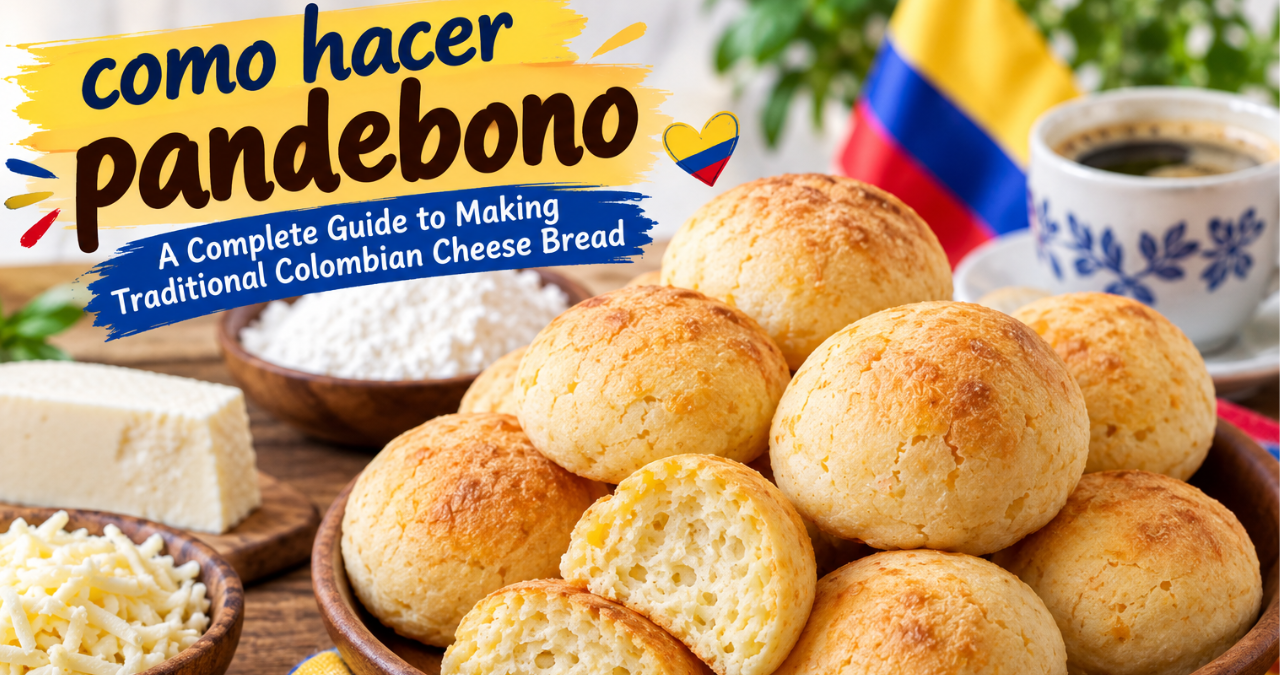
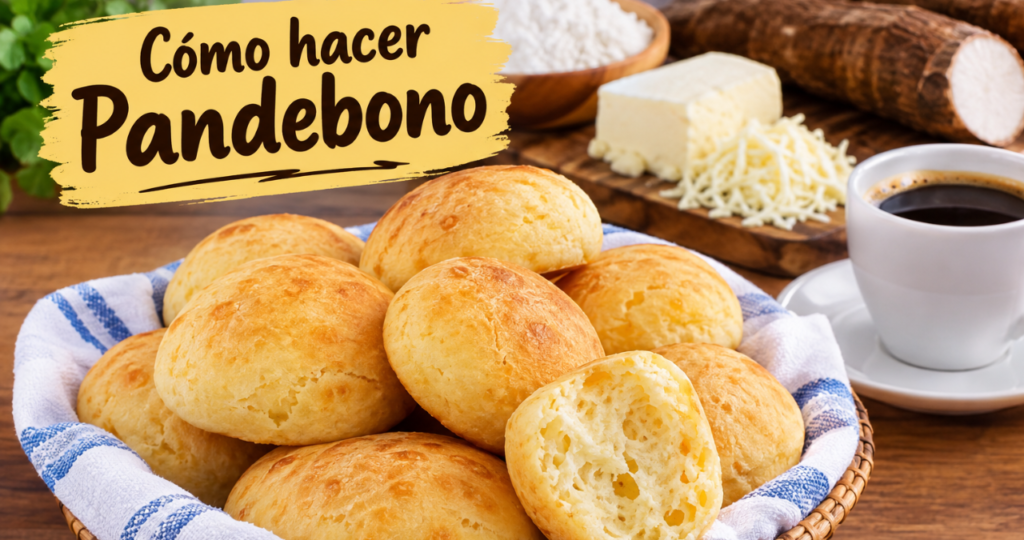
como hacer pandebono is a wonderful question for anyone who wants to prepare one of Colombia’s most beloved baked snacks at home. Pandebono is a small, soft cheese bread with a lightly crisp outside and a tender, chewy center. Made with cassava starch, cheese, corn flour, and other simple ingredients, it has a unique flavor that’s hard to forget.
Whether you’re new to Colombian cooking or already enjoy making traditional breads, learning como hacer pandebono can be a rewarding kitchen experience. The recipe doesn’t require complicated equipment, and once you understand how the dough should feel, the process becomes surprisingly easy.
This guide explains the ingredients, preparation method, baking tips, common mistakes, serving ideas, storage methods, and useful variations. So, let’s get started!
What Is Pandebono?
Pandebono is a traditional Colombian cheese bread, especially associated with the Valle del Cauca region. It’s commonly enjoyed for breakfast, as a snack, or alongside a hot drink.
Unlike regular wheat bread, pandebono is generally made without wheat flour. Its characteristic texture comes largely from cassava starch, also known as yuca or tapioca starch.
The bread is usually shaped into small rounds and baked until lightly golden. Inside, it should remain soft and pleasantly chewy.
Some of its main characteristics include:
- A mild but delicious cheese flavor
- A soft, chewy interior
- A lightly crisp exterior
- A naturally gluten-free ingredient base when certified gluten-free ingredients are used
- A small, convenient shape
- Excellent pairing with coffee, hot chocolate, or other beverages
Why Learning como hacer pandebono Is Worth It
Making pandebono at home gives you more control over the ingredients and freshness. Store-bought versions can be convenient, but freshly baked pandebono has a special appeal.
There’s nothing quite like taking a warm piece from the oven and enjoying its cheesy aroma.
Here are some benefits of making it yourself:
- Freshness: Homemade pandebono tastes best shortly after baking.
- Ingredient control: You can select the cheese and adjust the recipe to your preferences.
- Simple preparation: The dough doesn’t require yeast or a long rising period.
- Family-friendly: The small breads are easy to shape with children or family members.
- Flexible serving: Pandebono works for breakfast, snacks, parties, and gatherings.
- Traditional experience: It offers a practical way to explore Colombian food culture.
Ingredients You Need for como hacer pandebono
The exact ingredients can vary between Colombian families and regions. However, a practical homemade version commonly uses cassava starch, cheese, corn flour, egg, milk, and butter.
Here’s a useful ingredient guide:
| Ingredient | Approximate Amount | Purpose |
|---|---|---|
| Cassava starch | 2 cups | Gives pandebono its chewy structure |
| Pre-cooked corn flour | ½ cup | Adds flavor and body |
| Grated cheese | 1½ cups | Provides the main savory flavor |
| Egg | 1 large | Helps bind the dough |
| Milk | ½ cup, as needed | Adds moisture |
| Butter | 2 tablespoons | Adds richness |
| Baking powder | 1 teaspoon | Helps with lightness |
| Salt | Small amount | Balances the flavor |
Choosing the Right Cheese
Cheese is one of the most important ingredients in pandebono.
Traditional Colombian recipes often use cheeses that are salty, fresh, and suitable for baking. Depending on availability, you may use a combination of cheeses to get closer to the desired taste and texture.
Possible choices include:
- Colombian queso costeño
- Queso campesino
- Queso fresco
- Farmer cheese
- Mozzarella combined with a saltier cheese
- Mild feta-style cheese, adjusted carefully for saltiness
The key is balance. If your cheese is already very salty, you may need little or no additional salt.
How to Prepare the Ingredients
Before mixing the dough, take a few minutes to prepare everything.
First, grate the cheese finely. Smaller pieces blend more evenly into the dough.
Measure the cassava starch and corn flour carefully. Baking is a little like following a map—small changes can affect where you end up.
If you’re using cold butter, allow it to soften slightly. You don’t necessarily need to melt it completely.
The egg should ideally be at room temperature because it can mix more easily with the other ingredients.
Most importantly, don’t pour all the milk into the dough at once. You may need less or more depending on the cheese, flour, and humidity.
como hacer pandebono: Mixing the Dough
Now comes the heart of the process.
Place the cassava starch and pre-cooked corn flour into a large mixing bowl. Add the grated cheese and baking powder.
Mix the dry ingredients together first.
Next, add the softened butter and egg. Begin combining everything with your hands or a sturdy spoon.
Slowly add milk while mixing.
The dough should gradually become soft and cohesive.
What Should the Dough Feel Like?
This is one of the most important parts of como hacer pandebono.
The finished dough should generally be:
- Soft
- Smooth
- Easy to shape
- Slightly moist
- Not runny
- Not extremely sticky
- Firm enough to hold its shape
If the dough feels too dry and cracks when you roll it, add a small amount of milk.
If it becomes too wet or sticky, add a little more cassava starch.
Don’t panic if the first mixture doesn’t look perfect. Homemade dough often needs a little adjustment.
Kneading the Pandebono Dough
Once the ingredients come together, knead the dough gently.
You don’t need to knead it for a long time like traditional wheat bread. Since pandebono doesn’t depend on gluten development, the goal is simply to create an evenly mixed dough.
Knead until:
- The cheese is distributed evenly.
- There are no large dry patches.
- The dough feels smooth.
- The mixture holds together easily.
Avoid adding too much extra starch simply because the dough feels slightly soft. A dough that’s excessively dry can produce hard pandebono.
As the saying goes, less is sometimes more.
Shaping the Pandebono
Once the dough is ready, divide it into small portions.
Roll each portion gently between your palms to create a ball.
The size can depend on your preference, but small-to-medium balls usually work well for even baking.
Place the shaped dough pieces on a baking tray lined with parchment paper or lightly greased.
Leave some space between each piece.
Other Pandebono Shapes
Round pandebono is the most familiar shape, but you can experiment with:
- Small oval breads
- Slightly flattened rounds
- Ring shapes
- Mini pandebono for parties
If you’re serving them at a gathering, smaller pieces can be especially convenient.
Preparing the Oven
Preheat your oven before baking.
A temperature around 400°F (200°C) is commonly suitable for this style of cheese bread, although exact baking temperatures vary among recipes and ovens.
Allowing the oven to preheat properly matters because the dough needs strong initial heat to develop its shape and texture.
While the oven heats, keep the shaped dough ready on the baking tray.
Why Preheating Matters
A properly heated oven helps:
- Cook the dough evenly
- Develop a lightly golden exterior
- Set the structure quickly
- Reduce the risk of dense centers
An oven thermometer can be helpful because many household ovens aren’t perfectly accurate.
Baking como hacer pandebono
Place the tray in the preheated oven.
Bake until the pandebono becomes lightly golden and looks cooked through. Depending on size and oven temperature, this may take roughly 15–25 minutes.
Keep an eye on the bread during the final few minutes.
You don’t want the outside to become excessively dark.
The ideal result is usually:
Lightly golden outside + soft, warm center + pleasant cheese aroma.
When finished, carefully remove the tray and allow the pandebono to rest for a few minutes.
Be warned: the smell can make waiting rather difficult!
How to Tell When Pandebono Is Ready
Visual appearance is helpful, but it isn’t the only clue.
Look for:
- A lightly golden surface
- A firm outer layer
- A cooked-looking center
- A pleasant baked-cheese aroma
- A shape that has expanded slightly
If you cut one open after it has cooled slightly, the inside should be soft and tender rather than wet or raw.
Avoid judging the bread only by its color. Some ovens brown the outside quickly while leaving the center undercooked.
Common Mistakes When Making Pandebono
como hacer pandebono Even a simple recipe can go wrong if the dough or oven is handled poorly.
Using Too Much Liquid
Adding too much milk can make the dough difficult to shape.
Solution: Add liquid gradually and stop when the dough becomes soft and workable.
Making the Dough Too Dry
Very dry dough can result in dense or hard bread.
Solution: Add small amounts of milk until the dough becomes flexible.
Using the Wrong Cheese
Very watery cheese can change the dough’s consistency.
Solution: Choose a cheese with a relatively firm texture and adjust the starch if necessary.
Adding Too Much Salt
Cheese can already contain a lot of salt.
Solution: Taste the cheese before adding extra salt.
Overbaking
Too much oven time can dry out the bread.
Solution: Begin checking the pandebono toward the end of the expected baking period.
Making the Pieces Too Large
Large pieces may brown outside before the center cooks properly.
Solution: Keep portions reasonably small and similar in size.
A Simple Recipe Overview
For quick reference, here’s the basic process:
Ingredients
- 2 cups cassava starch
- ½ cup pre-cooked corn flour
- 1½ cups grated cheese
- 1 egg
- 2 tablespoons softened butter
- 1 teaspoon baking powder
- About ½ cup milk
- Salt only if needed
Method
- Preheat the oven to around 400°F (200°C).
- Combine cassava starch, corn flour, cheese, and baking powder.
- Add butter and egg.
- Gradually add milk.
- Knead gently until a soft dough forms.
- Divide the dough into small portions.
- Roll each portion into a ball.
- Arrange on a prepared baking tray.
- Bake until lightly golden and cooked through.
- Rest for a few minutes before serving.
How Cheese Changes the Final Result
Cheese doesn’t just provide flavor. It also affects texture.
A moist fresh cheese may create a softer dough, while a firmer cheese may produce a slightly different crumb.
A strong cheese gives a more noticeable savory taste, while mild cheese creates a gentler flavor.
You can experiment with combinations, but remember that changing the cheese may require adjusting the milk and starch.
This is where cooking experience comes in. Once you make pandebono a few times, you’ll quickly learn how the dough should look and feel.
How to Serve Pandebono
Freshly baked pandebono is delicious on its own, but there are plenty of ways to enjoy it.
Popular pairings include:
- Colombian coffee
- Hot chocolate
- Café con leche
- Tea
- Fresh fruit
- Scrambled eggs
- Butter
- Fresh cheese
- Colombian-style breakfast dishes
For a simple breakfast, serve warm pandebono with a hot drink and fresh fruit.
For an afternoon snack, two small pieces with coffee can make a satisfying combination.
Pandebono for Breakfast and Snacks
In Colombian food culture, bread-like snacks often have an important place in everyday meals.
Pandebono works especially well because it is small and filling without requiring complicated preparation.
For breakfast, consider serving it with:
- Eggs
- Avocado
- Fruit
- Coffee
- Hot chocolate
For an afternoon gathering, arrange several warm pieces on a serving plate.
You can also make smaller versions for parties, meetings, or family celebrations.
How to Store Homemade Pandebono
Pandebono is best when fresh, but leftovers can be stored.
Allow the bread to cool before placing it in an airtight container.
For short-term storage, keep it at room temperature if appropriate for the ingredients and your kitchen conditions.
For longer storage, freezing is a useful option.
Freezing Baked Pandebono
Place cooled pandebono in a freezer-safe container or bag.
Separate pieces with parchment paper if necessary.
When you want to eat them, reheat them in an oven or suitable countertop oven.
Reheating can help restore some of the pleasant warmth and texture.
Can You Freeze Pandebono Dough?
Yes, freezing shaped dough can be a practical option.
Shape the dough into individual portions before freezing. Place them on a tray until firm, then transfer them to a freezer-safe container.
When ready to bake, follow a suitable method for your dough and oven. Depending on the recipe and freezing method, you may need to adjust baking time.
Always make sure the dough is fully cooked before serving.
Tips for Better Pandebono Every Time
If you’re trying como hacer pandebono for the first time, don’t worry about getting everything perfect immediately.
Keep these tips in mind:
- Measure ingredients carefully.
- Use finely grated cheese.
- Add milk slowly.
- Don’t make the dough overly wet.
- Don’t add excessive starch.
- Make pieces similar in size.
- Preheat the oven completely.
- Avoid overbaking.
- Allow the bread to rest briefly after baking.
- Serve it warm for the best experience.
Most importantly, pay attention to texture rather than relying only on measurements.
Different cheeses and brands of cassava starch can behave differently, so a flexible approach is useful.
Traditional Flavor vs. Modern Variations
Traditional pandebono has a distinctive Colombian identity, and keeping the basic ingredients simple allows that character to shine.
Still, home cooks sometimes enjoy experimenting.
Possible variations include:
- Adding a blend of mild and salty cheeses
- Making mini pandebono
- Creating slightly larger breakfast portions
- Serving them with different hot drinks
- Adjusting cheese intensity
- Experimenting with presentation
When trying variations, change one ingredient at a time. That makes it easier to understand how each change affects the final product.
Nutritional Considerations
Pandebono contains carbohydrates from cassava starch and corn flour, along with fat and protein from cheese, egg, and butter.
Its nutritional profile will vary according to the exact recipe and serving size.
A typical serving may provide:
- Carbohydrates
- Protein
- Fat
- Calcium from cheese
- Energy for a snack or breakfast
Because recipes differ, nutritional information should be calculated from the exact ingredients and quantities used.
If you’re following a specific dietary plan, check the labels of packaged ingredients carefully.
Is Pandebono Gluten-Free?
Traditional pandebono recipes are often made without wheat flour, using cassava starch and corn-based ingredients instead.
However, not every commercially produced ingredient is automatically gluten-free. Cross-contact during manufacturing or preparation can also matter.
If someone needs to strictly avoid gluten, choose ingredients that are specifically labeled or certified gluten-free and prepare the bread in a suitable environment.
This small step can make a big difference for people with medically necessary dietary restrictions.
How Pandebono Differs From Other Colombian Breads
Colombia has a rich tradition of breads and baked snacks, and pandebono is only one of many delicious options.
| Food | Main Characteristic | Typical Texture |
|---|---|---|
| Pandebono | Cassava starch and cheese | Soft and chewy |
| Pan de yuca | Cassava starch and cheese | Chewy and light |
| Almojábana | Cheese and corn-based ingredients | Soft and tender |
| Arepa | Corn-based flatbread | Firm to soft |
| Buñuelo | Fried cheese dough | Crisp outside, soft inside |
These foods may share ingredients such as cheese or corn, but their preparation methods and textures are different.
Trying several of them is a great way to explore Colombian culinary traditions.
Making Pandebono for Guests
Pandebono is a particularly useful recipe when you’re expecting guests.
You can prepare the dough ahead of time, shape individual pieces, and bake them close to serving time.
For a gathering, consider:
- Making smaller portions
- Offering coffee and hot chocolate
- Serving fruit on the side
- Baking more than one tray
- Keeping portions consistent
- Serving the bread warm
Freshly baked pandebono can turn an ordinary coffee break into something memorable.
Frequently Asked Questions About como hacer pandebono
What is the main ingredient in pandebono?
Cassava starch is one of the key ingredients. Cheese is also essential because it contributes much of the characteristic flavor and texture.
Does pandebono contain yeast?
Traditional pandebono doesn’t depend on yeast for its structure. Recipes commonly use ingredients such as baking powder instead.
Can I use mozzarella?
Mozzarella can be used in some homemade versions, although its moisture and salt level may differ from traditional Colombian cheeses. Combining it with a firmer or saltier cheese can create a more balanced result.
Why did my pandebono become hard?
Possible causes include too much starch, too little moisture, excessive baking time, or an unsuitable cheese-to-starch balance.
Why did my pandebono crack?
Cracking can happen when the dough is too dry or lacks enough moisture. Try adding a small amount of milk and mixing again.
Can I make mini pandebono?
Absolutely. Mini versions are excellent for parties, snacks, and breakfast tables. Keep an eye on baking time because smaller pieces may cook faster.
Should pandebono be served hot?
It’s especially enjoyable warm, when the cheese aroma and soft texture are at their best. It can also be eaten at room temperature.
Can I prepare pandebono without wheat flour?
Traditional recipes commonly use cassava starch and corn-based ingredients rather than wheat flour. Always check packaged ingredients if avoiding gluten is medically necessary.
Final Tips for Perfect Homemade Pandebono
Making traditional foods is as much about observation as it is about following a recipe.
If your first batch isn’t exactly what you expected, don’t throw in the towel. Look at what happened.
Was the dough dry? Add slightly more liquid next time.
Was it too sticky? Reduce the milk or add a little more starch.
Was the outside too dark? Check your oven temperature and baking time.
Was the center too dense? Consider the portion size, dough moisture, and baking conditions.
Each batch teaches you something.
With practice, you’ll become more comfortable recognizing the ideal dough consistency before the bread ever reaches the oven.
Conclusion: Mastering como hacer pandebono at Home
Learning como hacer pandebono is a delicious way to explore Colombian culinary tradition while creating a simple homemade snack. With cassava starch, cheese, corn flour, egg, butter, and a few other ingredients, you can make small breads with a soft center and lightly golden exterior.
The most important lessons are straightforward: choose suitable ingredients, control the moisture, knead gently, shape evenly, and avoid overbaking. Once you understand the dough, the recipe becomes much easier to repeat.
Whether you’re preparing breakfast, an afternoon snack, or food for guests, homemade pandebono can bring warmth and Colombian flavor to the table. So, gather your ingredients, heat the oven, and enjoy the experience of learning como hacer pandebono.