
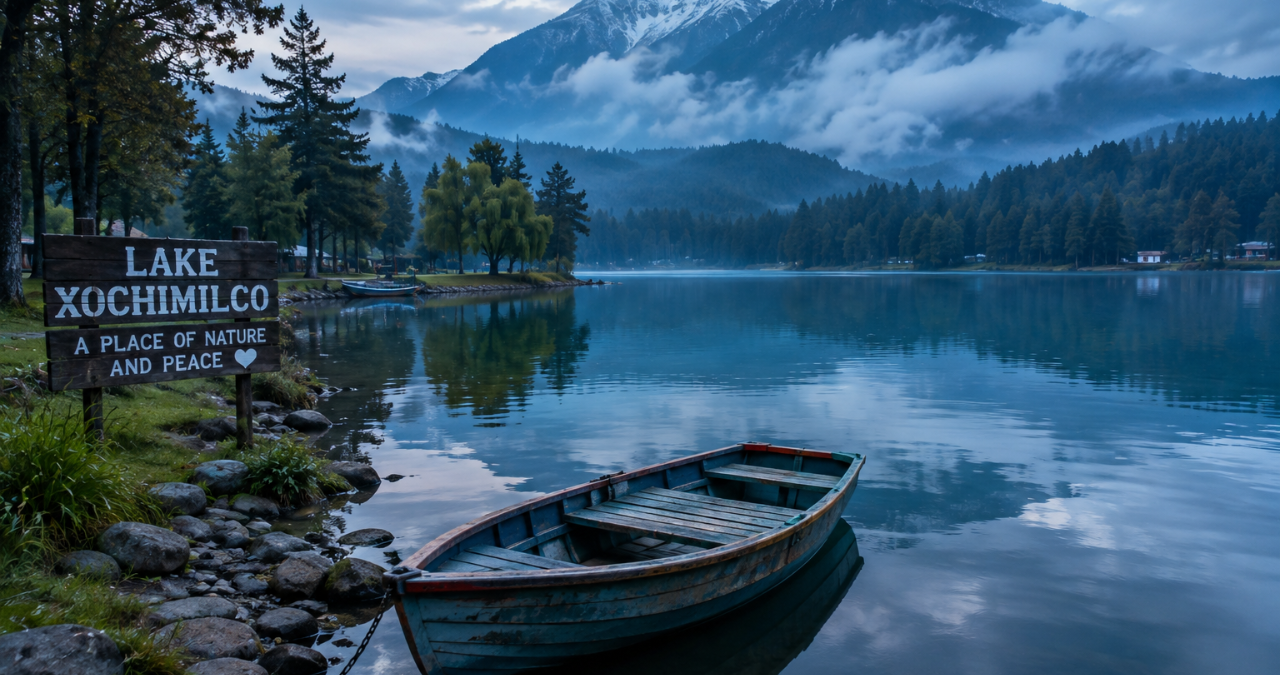
Lake Xochimilco is one of the most remarkable places in Mexico. It is famous for its colorful boats, ancient floating gardens, rich wildlife, and deep cultural history. Located in the southern part of Mexico City, this beautiful lake attracts millions of visitors every year. People come to enjoy peaceful boat rides, learn about local traditions, taste delicious food, and experience a place that has survived for hundreds of years.
Unlike many modern tourist destinations, lake xochimilco offers a unique blend of history, nature, and living culture. Every canal tells a story of the ancient Aztec civilization. Every floating garden shows the creativity of people who learned how to grow crops on water. It is more than a sightseeing destination—it is a living museum where old traditions continue today.
Whether you are planning a vacation, studying Mexican history, or simply curious about one of the world’s most fascinating waterways, this guide covers everything you need to know about lake xochimilco.
What Is Lake Xochimilco?
Lake Xochimilco is a network of canals, wetlands, and artificial islands located in the southern region of Mexico City. Long ago, it was part of a much larger system of lakes that surrounded the Valley of Mexico.
Today, only a portion of the original lake remains. The canals preserve an ancient farming system called chinampas, often known as floating gardens. These gardens are still used to grow flowers, vegetables, herbs, and fruits.
Because of its historical and environmental importance, UNESCO declared Lake Xochimilco a World Heritage Site in 1987.
The area remains one of Mexico’s greatest cultural treasures and serves as a reminder of how people once lived in harmony with nature.
Quick Facts About Lake Xochimilco
| Feature | Details |
|---|---|
| Location | Southern Mexico City, Mexico |
| Famous For | Floating gardens, colorful boats, canals |
| UNESCO Status | World Heritage Site |
| Main Attraction | Traditional trajinera boat rides |
| Native Wildlife | Axolotl, birds, fish |
| Best Season to Visit | November to May |
| Historical Age | More than 700 years |
| Traditional Farming | Chinampas |
The Fascinating History of Lake Xochimilco
The history of lake xochimilco stretches back hundreds of years before the arrival of Europeans.
The region was originally home to indigenous communities who understood how to work with water instead of against it. Rather than draining wetlands, they created fertile islands by layering mud, plants, and reeds.
These islands became known as chinampas.
The Aztecs later expanded this system into one of the world’s most productive agricultural methods.
Fresh vegetables, flowers, corn, beans, tomatoes, squash, and herbs were grown here and transported by canoe throughout the valley.
Even after Spanish colonization, parts of the canal system survived. Although urban growth reduced much of the original lake, today’s canals continue to preserve this extraordinary engineering achievement.
Walking or boating through the canals feels like stepping into a different era.
Why Lake Xochimilco Is Famous Around the World
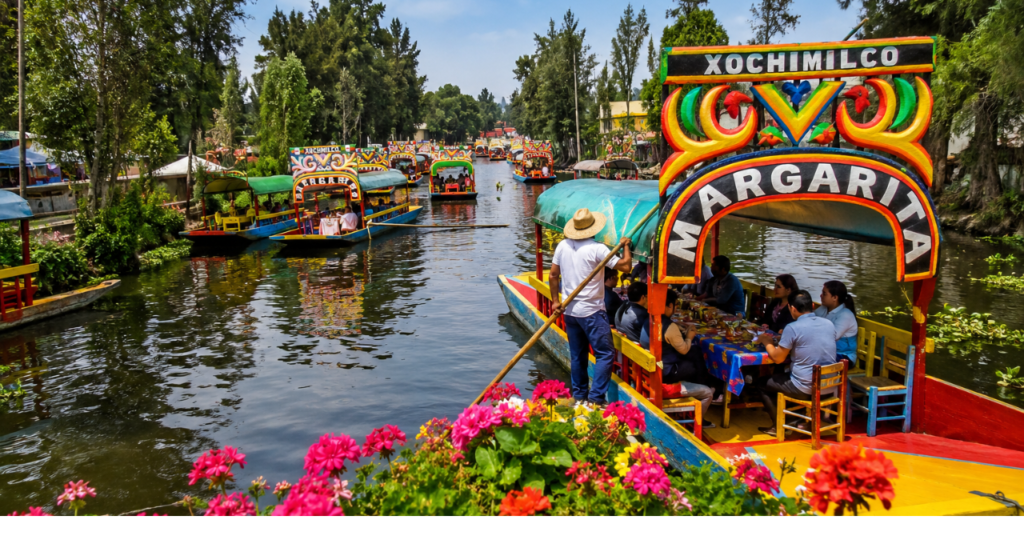
There are many reasons why travelers include lake xochimilco on their Mexico itinerary.
Some of its biggest attractions include:
- Brightly painted trajinera boats
- Ancient floating gardens
- UNESCO World Heritage recognition
- Rich Aztec history
- Traditional Mexican music
- Local food sold directly on the water
- Beautiful flowers
- Rare wildlife
- Peaceful canals
- Family-friendly atmosphere
Every visitor experiences something different.
Some enjoy the festive atmosphere filled with mariachi music, while others prefer quiet canals surrounded by nature.
This variety makes the destination appealing to all types of travelers.
The Incredible Floating Gardens of Lake Xochimilco
One of the most interesting features of lake xochimilco is its floating gardens.
Despite the name, these gardens do not actually float.
Instead, they are carefully built islands made from layers of mud, aquatic plants, and organic materials.
Trees planted around the edges help keep the islands stable.
The soil remains extremely fertile because of the constant moisture from surrounding canals.
Farmers still grow many fresh products here, including:
- Lettuce
- Spinach
- Tomatoes
- Chili peppers
- Corn
- Herbs
- Flowers
- Cactus
- Seasonal fruits
These gardens continue to support local agriculture while preserving centuries-old farming traditions.
Riding a Traditional Trajinera on Lake Xochimilco
The colorful wooden boats called trajineras are the most famous symbol of lake xochimilco.
Each boat is hand-painted with bright colors and often carries a woman’s name across its decorative arch.
Visitors rent these boats for relaxing canal tours.
A typical ride includes:
- Scenic canal views
- Flower gardens
- Floating restaurants
- Live mariachi music
- Local craft sellers
- Traditional snacks
- Cultural performances
Boat rides usually last between one and three hours.
Many families celebrate birthdays, graduations, and holidays while floating through the canals.
Others simply enjoy the calm beauty of the water.
Wildlife That Lives in Lake Xochimilco
Although the area is known for tourism, lake xochimilco is also an important wildlife habitat.
Many species depend on these wetlands for survival.
Some common animals include:
- Ducks
- Herons
- Egrets
- Cormorants
- Frogs
- Fish
- Turtles
- Insects
- Native plants
The most famous resident is the axolotl, an unusual amphibian found naturally only in this region.
The axolotl has become a global symbol of conservation because its wild population has declined due to pollution, invasive species, and habitat loss.
Scientists study axolotls because they can regenerate body parts, including limbs and even parts of their heart and brain.
This remarkable ability continues to inspire medical research around the world.
Cultural Traditions That Keep Lake Xochimilco Alive
Culture plays a major role in everyday life around lake xochimilco.
Visitors often hear mariachi bands performing on neighboring boats.
Food vendors travel through the canals selling authentic Mexican dishes.
Common treats include:
- Tacos
- Tamales
- Elotes
- Fresh fruit
- Quesadillas
- Sweet breads
- Traditional drinks
Festivals throughout the year celebrate local history, religion, farming traditions, and community spirit.
Many residents have lived here for generations and continue to protect customs passed down through their families.
This living culture makes every visit feel authentic.
Best Things to Do at Lake Xochimilco
There are plenty of activities for visitors of all ages.
Popular experiences include:
- Take a colorful trajinera boat ride.
- Visit working chinampa farms.
- Enjoy traditional Mexican music.
- Taste local street food.
- Watch native birds.
- Learn about Aztec agriculture.
- Shop for handmade crafts.
- Visit local flower markets.
- Explore quiet nature canals.
- Photograph colorful scenery.
Whether you stay for a few hours or an entire day, there is always something interesting to discover.
Best Time to Visit Lake Xochimilco
The weather is pleasant for much of the year.
However, many travelers prefer visiting between November and May because rainfall is lower.
Morning visits often provide:
- Cooler temperatures
- Less crowded canals
- Better wildlife viewing
- More peaceful boat rides
Weekdays are usually quieter than weekends.
If you enjoy lively celebrations with music and food, weekends offer a festive atmosphere.
How to Reach Lake Xochimilco
Getting to lake xochimilco is relatively easy from central Mexico City.
Transportation options include:
- Taxi
- Ride-sharing services
- Metro and light rail
- Public buses
- Guided tours
Many visitors combine their trip with other attractions in southern Mexico City.
Travel times vary depending on traffic, but most journeys take between 45 minutes and one hour from the city center.
Environmental Challenges Facing Lake Xochimilco
Despite its beauty, lake xochimilco faces several environmental problems.
These include:
- Water pollution
- Urban expansion
- Invasive fish species
- Habitat destruction
- Declining groundwater levels
- Climate change
- Waste management issues
Conservation groups, local communities, scientists, and government agencies continue working together to restore wetlands and protect wildlife.
Sustainable tourism also helps support these efforts by encouraging responsible travel.
Visitors can contribute by respecting nature, avoiding litter, and supporting local businesses.
Helpful Travel Tips for Visiting Lake Xochimilco
Planning ahead can make your experience even more enjoyable.
Consider these useful tips:
- Bring sunscreen.
- Wear comfortable clothing.
- Carry drinking water.
- Keep cash for local vendors.
- Protect your camera from water.
- Arrive early for quieter canals.
- Respect wildlife and plants.
- Avoid feeding wild animals.
- Choose licensed boat operators.
- Wear a hat during sunny days.
Small preparations can greatly improve your visit.
Interesting Facts About Lake Xochimilco
Here are some surprising facts that many visitors do not know:
- The canals are the remains of a much larger ancient lake system.
- Chinampas are still used for farming today.
- The axolotl is found naturally only in this region.
- UNESCO recognizes the area as a World Heritage Site.
- Colorful trajineras are handmade by local craftsmen.
- Some canals are peaceful nature reserves.
- Farmers continue using traditional agricultural methods.
- Many flowers sold in Mexico City come from Xochimilco.
- Local traditions have survived for centuries despite urban growth.
These facts show why the area remains one of Mexico’s most valuable cultural landscapes.
Why Lake Xochimilco Matters to the World
Lake Xochimilco represents much more than a tourist attraction.
It preserves ancient farming knowledge that has supported communities for generations. It protects valuable wetlands that provide homes for rare wildlife. It celebrates Mexican traditions through music, food, festivals, and family gatherings. It also reminds people around the world that history and nature can exist together when communities value conservation.
Researchers, environmental organizations, historians, and travelers all recognize the importance of protecting this remarkable place for future generations.
As cities continue to grow, lake xochimilco stands as an inspiring example of sustainable living, cultural resilience, and environmental stewardship.
Final Thoughts on Lake Xochimilco
Lake Xochimilco is one of the most extraordinary destinations in Mexico. Its peaceful canals, colorful trajineras, ancient floating gardens, fascinating wildlife, and vibrant local traditions create an unforgettable experience for every visitor. From learning about Aztec engineering to enjoying authentic Mexican cuisine on the water, every moment spent here offers something meaningful.
Whether you are interested in history, culture, photography, nature, or simply a relaxing day outdoors, lake xochimilco has something special to offer. By supporting responsible tourism and conservation efforts, visitors help protect this unique landscape for generations to come. If you ever have the opportunity to explore Mexico City, make sure lake xochimilco is at the top of your travel list—it truly is a place where history, culture, and nature come together in the most beautiful way.